Work resumes on robotics plant in China
23 March 2020
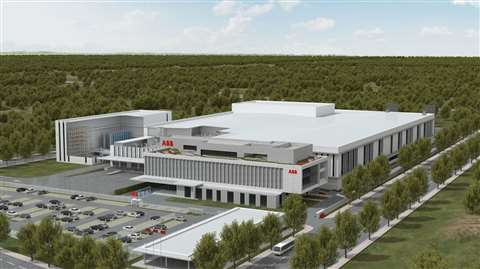
With China appearing to have halted the spread of Covid-19, Swiss technology giant ABB has resumed construction work on its robotics factory in Shanghai.
The Chinese news agency Xinhua said the US$150 million (€140 million) plant, which originally broke ground in September 2019, is now expected to be in operation in 2021, in line with the original timescale.
According to ABB, work on the project was able to resume, thanks to help from the local government and local tradespeople, who enabled the company to overcome the labour shortage brought about by the pandemic.
The Shanghai robotics plant will be the largest and most advanced in ABB’s portfolio, and is expected to supply China’s automobile manufacturing, electronics manufacturing, logistics and white goods industries. China is currently understood to have the world’s largest robotics market.
As well as manufacturing, the new facility will host a research and development centre, intended to advance innovations in robotics and artificial intelligence.
While recognising the short-term damage the coronavirus has done to China’s economic, Zhang Zhiqian, MD of ABB China, also highlighted new opportunities for industries to drive forward with new technologies.
He said, “As the virus outbreak in China is brought under control and the demands rebound in various industries, ABB will continue to expand investment in China, contributing to China’s economic development and stability of the global supply chain.”