GAM Spain purchases forklift specialist
15 July 2021
Spanish multinational rental company General de Alquiler de Maquinaria (GAM) has purchased forklift specialist Recamasa, for € 7 million, securing exclusive distribution of Yale forklifts, a prominent brand in the Spanish market.
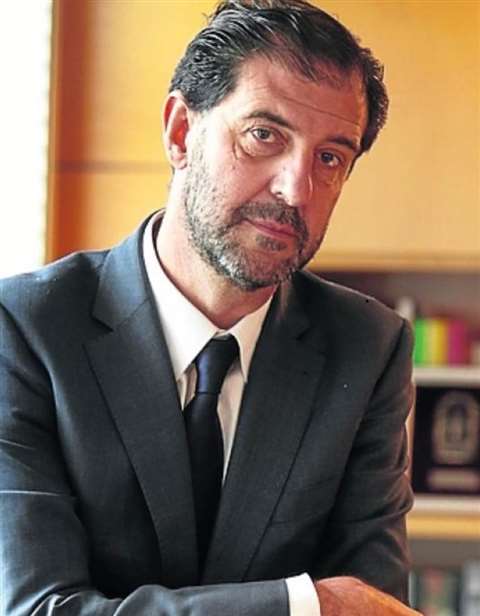 Pedro Luis Fernández, president and CEO of GAM.
Recamasa had a turnover of € 7 million euros last year, with a gross operating result (EBITDA) of € 2 million and a net profit of € one million.
It rents, sells and services forklifts and is an authorised dealer for Yale. Its customers include large national and multinational companies, Spanish SMEs and public sector organisations.
According to Pedro Luis Fernández, president and CEO of GAM, “The purchase of Recamasa is part of our growth strategy, and we are taking another step forward in our consolidation as a leader in the industrial machinery sector.
“We are delighted to add to our team the expertise of a company with a great staff, and for which we have always had great respect for its great performance and recognition in the sector.”
Founded in 1985, Recamasa’s Madrid operations include a 2,200 square metre warehouse, showroom, sales room, maintenance and paint workshops and offices. It carries certifications in quality management (ISO 9001) and environmental management (ISO 14001).
GAM was founded in 2003 in Asturias, northern Spain and listed on the Spanish Stock Exchange in 2006, where it is the only listed company in its sector.
Its purchase of Recamasa aligns with GAM’s ongoing diversification strategy, which has seen the company grow its machinery offering in multiple industries in recent years.
GAM distributes brands such as Hyster and Magni and its porfolio of services and products also includes training, maintenance, energy, events, robotics and drones.