US$280 million funding for Sri Lanka
05 April 2019
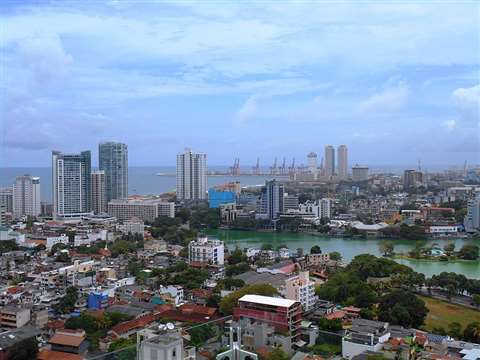
The Asian Infrastructure Investment Bank (AIIB) has announced funding of US$280 million for two projects in Sri Lanka.
The money is for two projects – US$200 million for improving housing conditions for low-income communities in Colombo by constructing affordable housing and redeveloping land and US$80 million to reduce the risk and damage from landslides.
Colombo is the largest city in Sri Lanka. The US$200 million project will support the construction of about 5,500 housing units and other related infrastructure.
“Providing affording housing will improve the quality of life for those in need in Colombo,” said AIIB vice president and chief investment officer, D.J. Pandian.
“Smarter urban planning will also enable the city to attract more foreign investment and increase its potential as an economic hub for the country.”
The investment to reduce landslide risk will support the design and construction of mitigation or protection measures where landslides have already occurred or are at risk of occurring.
The investment will also support the review and strengthening of the policy and regulatory systems for landslide management at the local and national level.
The AIIB began operation in 2016 and is located in Beijing, China. The bank invests in sustainable infrastructure projects in Asia.