Crossrail’s new £20 billion transport plans
03 November 2014
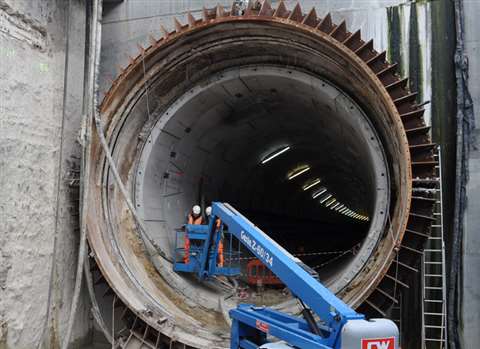
Proposals have been put forward to create a further major UK £20 billion (€25 billion) upgrade to London’s central railway system, known as Crossrail 2.
The scheme, which would run north-south through the city, would build on the initial £15 billion €19 billion) Crossrail project that is being built between Heathrow in the West, through to Abbey Wood in the south east of the capital and expected to be completed in 2018.
According to London Mayor Boris Johnson, the new route compliments the present rail upgrade. He said that it was vital for London to “remain competitive” through such infrastructure development.
If approved by the Government, work on Crossrail 2 would begin in 2017 - making journey times across the heart of the city up to 20 minutes faster for commuters.
It would make use of existing stations including Euston, King’s Cross, Angel, Tottenham Court Road and Victoria, and be capable of carrying up to 90,000 people into central London at its planned peak operating capacity once opened in the early 2030’s.
There will be a series of public consultations throughout 2015 outlining the preferred routes for the new project.
See the December issue of Construction Europe for a Crossrail site report on the North Woolwich tunnel – the only point to cross the River Thames as part of Europe’s largest construction project.