Namibia’s first cement plant inaugurated
04 February 2011
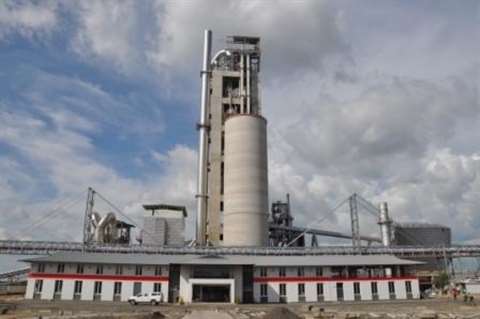
Construction of the first cement plant in Namibia has been completed. Located 435 km north of Namibian capital Windhoek, the Ohorongo plant will have an annual production capacity of 0.7 million tonnes and cover cement production from raw material preparation to dispatch.
The European Investment Bank (EIB) has provided a € 82 million loan towards the € 250 million project - funds which will also finance a grinding mill, access roads, railway track and housing facilities for the workforce.
The EIB was joined by KfW Banking group and the Development Bank of Southern Africa in providing financial support for the Ohorongo plant, which was constructed over the course of two years by engineering company Polysius.
Ohorongo Ltd is Namibia's only cement-producing company. It is a subsidiary of German cement company Schwenk Zement.
The Ohorongo plant will comply with the same environmental and emission control standards used by its sister facilities in Germany. In addition, all raw materials required for the production process are sourced in Namibia, and alternative fuel in the form of the local encroacher bush will also be used to supply up to 30% of the cement plant's energy demand.
"The inauguration of the Ohorongo Cement factory is as a pivotal investment towards the strengthening of the industrial sector in Namibia," said Dr Joachim Knoth, European Union interim Chargé d'Affaires.
Together with supplying cement demand in Namibia, the plant is also set to supply markets in Botswana, Zambia and Angola.