Skanska scores revenue increase
13 February 2015
A 6% year-on-year growth in group revenues to SEK145.02 billion (€15.05 billion) has been reported by Swedish-based contractor Skanska in its annual results.
Its latest figures also showed an improved order backlog of SEK170.9 billion (€17.74 billion), which amounted to a 3% increase.
There was also a year-on-year operating income rise to SEK5.8 billion (€602 million), compared with SEK5.1 billion (€529 million) for 2013. Its annual profit stood at SEK4.1 billion (€426 million), against SEK3.5 billion (€363 million) the previous year.
The construction arm of the business, its largest division, recorded an 8% revenue rise to SEK128.9 billion (€13.38 billion).
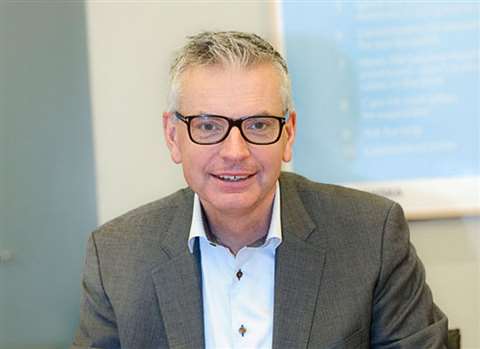
Skanska’s president and CEO, Johan Karlström, said it was a year with “overall good results across the business” in terms of achieving improved revenues.
He said, “Our Construction business stream showed strong order bookings and revenue development in the US civil, UK and Polish operations. We are showing good operating margins in Sweden and Poland, as well as in Finland, despite a tough market.”
Karlström added that the group’s results demonstrated solid cash flow and a strong order book that had strengthened its position moving forward. He said this would “serve as a stable base” for continued company expansion.