Two companies get green light for world’s largest signalling project worth A$1.6bn

19 July 2024
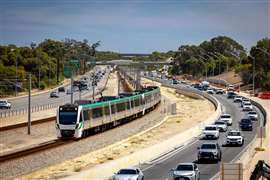 Image courtesy of Alstom
Engineering and construction firm DT Infrastructure and rolling stock and signalling specialist Alstom have won an A$1 billion (US$1.1 billion) deal to replace the existing signalling and train control systems in Perth, Western Australia.
It will be the world’s longest signalling project by route length and will feature Alstom’s Urbalis Communications-based Train Control (CBTC) technology installed by DT Infrastructure’s local workforce under a contract for the Public Transport Authority of Western Australia (PTA).
Once completed, the project will provide Perth with a 40% increase in network capacity.
The High Capacity Signalling project is part of the Metronet programme and secures 750 local jobs in Western Australia with a range of global Alstom and DT Infrastructure experts deploying internationally to Perth for the project.
DT Infrastructure chief executive officer, Darren Crichton said, “With several Metronet projects nearing completion, Perth’s upgraded rail network means residents and visitors are more connected than ever before. The High Capacity Signalling program will ensure that this capability is fully utilised, running more trains more often. We’re delighted to be working with Alstom to deliver this remarkable project, drawing on our extensive experience optimising and delivering improvements to passenger rail networks across Australia.”