UK’s new government to re-establish housebuilding targets amid planning shake-up

08 July 2024
The UK’s new government is to re-establish annual targets for the number of new homes built in the country, as it also pledged to overhaul planning rules.
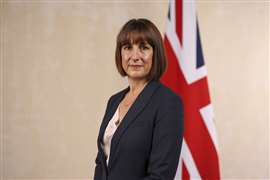 UK Chancellor Rachel Reeves (Image: Lauren Hurley / No 10 Downing St)
The news comes after the Labour party won a landslide to oust Rishi Sunak’s Conservative-led administration last week.
Newly installed Chancellor Rachel Reeves used her first speech in the role to tell business leaders that she was “willing to have a fight” with those who have delayed or rejected housebuilding infrastructure investment in the planning system.
The Conservatives’ 2019 manifesto included a pledge to build 300,000 new homes a year in England by the mid 2020s. But that target, intended to increase housing supply and make homes more affordable, was never met. Instead, it peaked at just under 250,000 ‘net additional dwellings’ in 2019-20, before falling back during the covid pandemic.
At the end of 2023, the then levelling up secretary Michael Gove scrapped housing targets for local authorities.
But mandatory targets now look set to return under Labour, which has also promised to build on ‘grey-belt’ land – areas of ‘green-belt’ land deemed to be poor quality. The ‘green-belt’ is made up of 14 areas of land around urban centres that are protected from almost all forms of development.
The government is also expected to lift a moratorium on the construction of on-shore wind energy projects and fund hundreds of new planning officers.
In total, Labour has promised to build 1.5 million homes over the next Parliament.