IR deal gives Volvo telehandlers
25 March 2008
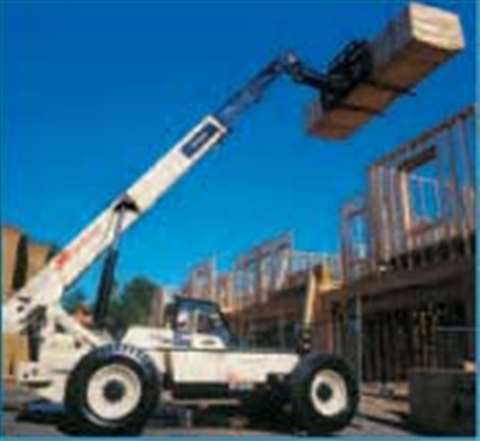
Volvo Construction Equipment's proposed acquisition of Ingersoll Rand's road building division for $1.3 billion will boost the company's rental business in the united States and Canada, and give it a range of North American–style telehandlers.
Although the main reason for the acquisition is to add compactors, pavers and milling machines to Volvo's range, the acquisition includes the rough terrain vertical mast forklifts and the eight–model VR range of telehandlers made at Ingersoll Rand's Shippensburg, PA facility, which is part of the acquisition.
Volvo had been developing telehandlers but sold them to MEC Aerial Platforms in 2005. Tony Helsham, president of Volvo Construction, said the range was sold because the handler market was already very congested.
“This allows us to pick up where we left off, with an established range,” Helsham said. The handlers are sold only in North America.
The acquisition also includes 20 owned dealers and 72 independent dealers in North America. Some of these are “quite heavily” involved in the rental market, said a Volvo spokesperson, and there is the prospect that some of these will be able to convert to Volvo Rents status.