Atlantic journey for ALE
13 October 2014
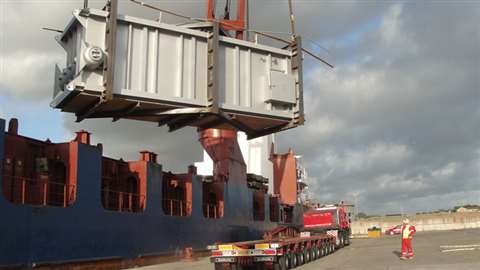
Heavy lift and transport service provider ALE transported eight boiler components 5,000 miles across the Atlantic Ocean.
The waste heat boiler components were transported from Texas, USA, to Pembroke, UK, for client Valero. The largest piece weighed 167 tonnes. For the first stage of the transport, the components were transported from the vendor’s facility in Abilene, Texas, to the Port of Houston, by ALE’s branches in Hixon and Houston.
The boiler components were loaded onto a vessel and shipped to Pembroke Dock on conventional modular trailers. The boiler components were then transferred by a heavy-lift barge to the refinery jetty in two voyages using a combination of SPMTs, SPTs and conventional trailers, a spokesperson said. The barging operations were completed in four days. At the refinery the boiler components were installed onto their foundations.
Tom Irvine, ALE senior project manager, said, “By offering the client a single-source solution, we were able to utilise a wealth of experience from our teams within the UK and Houston branches to plan, manage, co-ordinate and select the optimum solutions at each phase of the project.
“This meant that we effectively completed the transportation of the boiler components almost 5,000 miles to the Pembroke refinery in a timely manner and incident-free.”