Salini announces ‘Project Italy’
10 July 2019
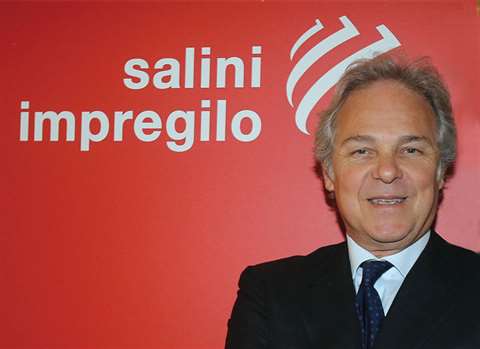
Italy’s largest construction company, Salini Impregilo, has announced Project Italy - a plan to aid the revival of the country’s building industry with the creation of one major construction hub.
Salini’s initial plan involved the acquisition of Astaldi, the Rome-based contractor, which is currently under administration. As part of its buyout plan, it requested a loan from the Italian investment bank Cassa Depositi e Prestiti.
The bank, however, asked Salini to come back with a plan that included other struggling Italian companies, such as Condotte (which filed for insolvency last year) and Cesena-based Trevi Finanziaria Industriale.
The bank is now reported to have agreed in principle to a financial commitment of approximately €250 million, to help fund the project. In return, however, the lender is insisting that it should appoint five out of the 15 board members of the new Progetto Italia (Project Italy) board.
In May this year, Salini CEO Pietro Salini said, “With Project Italy, we want to create a larger industry player by bringing together the forces of the country’s two biggest companies. The entire market would benefit from economies of scale, ensure execution continuity and delivery of critical infrastructure for our country.”
Italian labour leader Barbara Cerutti said Project Italy could be “an important step forward for the sector that’s able to guarantee greater competitiveness of Italian companies abroad.”
She added, however, that, “while it’s a good start, it’s not the final solution.”
Noting that Italy’s ten largest contractors generate 70% of their revenue from outside of Italy, Filippo Monge, a professor at the Univeristy of Turin, said, “It’s necessary to have a national champion to be able to compete globally.”