Work resumes on Milan’s new metro
09 April 2020
Italian contractors Salini Impregilo and Astaldi have resumed work on the M4, the new metro line for Milan, Italy, after introducing new safety measures to protect workers from catching COVID-19.
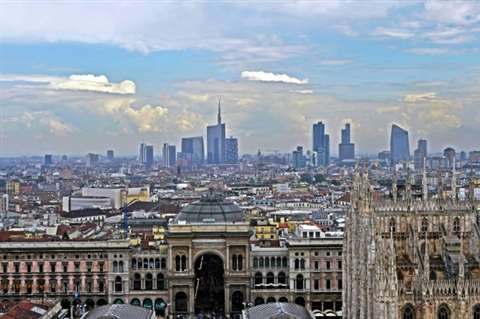
Italy has suffered one of the largest outbreaks of the virus in the world but a presidential decree allows for the construction of essential infrastructure work provided that certain safety measures are met.
According to Salini Impregilo, in order for the work to proceed, extraordinary safety measures have been adopted to protect the health of workers and avoid contagion.
These measures include checking the body temperature of every worker at the start of the day and at lunchtime; the use of masks; the distribution of hand sanitisers and disinfectant gel dispensers; the enforcement of the safe distance rule; the cleaning and disinfection of work sites, dorms and common areas; and a reduction in the number of people who can travel in the same vehicle to and from the site.
Work has started again on all three sections of the metro line – east, west and central – including preparations to start excavating with large tunnel-boring machines (TBMs). At this stage, there are approximately 200 workers, employees and managers working on the metro line.
The project, also known as Line 4, is being constructed by public-private concessionaire M4. The city of Milan and a group of private investors led by Salini Impregilo are shareholders.
The M4 will connect Milan’s historic centre with the city airport in 12 minutes.