ANSI Standards’ effective date pushed to June 1
25 February 2020

The ANSI Accredited Standards Developers (ASC) voted to extend the effective date of the A92 standards to June 1. The vote comes after 10 companies and organizations filed a petition in mid-February with the A92 secretariat to end the appeals process and publish the standards on March 1.
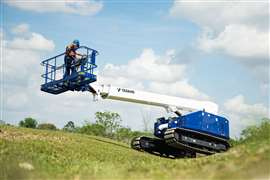
Originally approved in November 2018, the standards faced two appeals in May 2019, which caused setbacks. Tutus Solutions and the American Rental Association (ARA) appealed separate parts of the standards, with the ARA opposing the Manual of Responsibilities (MoR) portion and Tutus Solutions opposing that additions to a mobile elevating work platform (MEWP) cannot be made without the manufacturer’s permission. The effective date was then pushed to December 2019.
In October 2019, following a meeting with the A92 committee members, that date was again pushed back – this time to March 1 – due to language within the standards. Manufacturers, associations and rental companies have spent the majority of the past two years preparing for the standards’ implementation.
According to the Association of Equipment Manufacturers, two appeals are still unresolved, and appeal hearings will commence.
The new standards will cover:
- A92.20-2018: Design, Calculations, Safety Requirements and Test Methods for mobile elevating work platforms (MEWPs)
- A92.22-2018: Safe Use of MEWPs
- A92.24-2018: Training Requirements for the Use, Operation, Inspection, Testing and Maintenance of MEWPs
Of the 100 votes, 66 voted in favor of extending the deadline.