AVL moves ahead with hydrogen engine
11 February 2021
Company aims to help reduce emissions
AVL is developing a latest generation hydrogen engine specifically tailored for use in heavy-duty vehicles.
It said it aims to reduce the mass of greenhouse gas emissions from heavy-duty vehicles exceeding 3.5 tons.
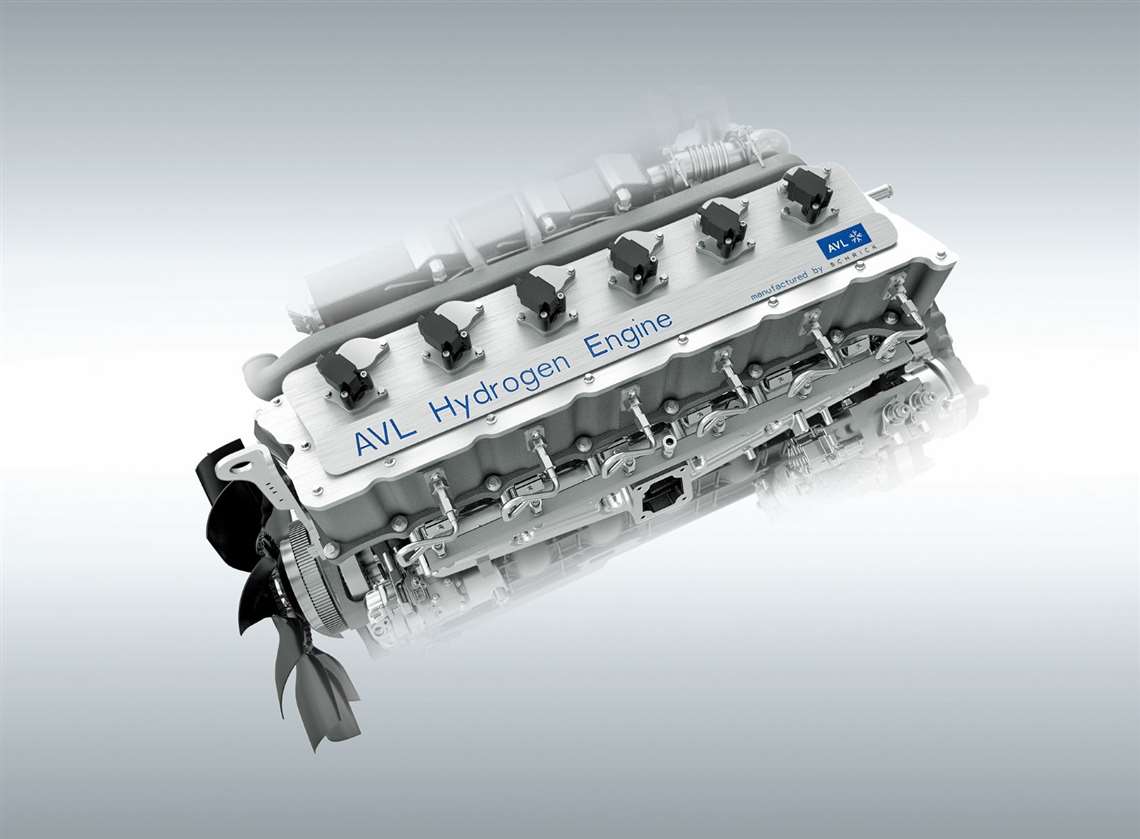 AVL is developing a latest generation hydrogen engine specifically tailored for use in heavy-duty vehicles.
The development project’s target is to increase both the efficiency potential of multi-port and a direct injected hydrogen engine concept for direct propulsion of a commercial vehicle with an existing standard powertrain, it said.
AVL used a 12.8 L natural gas engine for the basis of development and set its performance target at 350kW. With its development of a hydrogen engine, AVL aims to reduce carbon dioxide emissions and also ensure the high reliability of the piston bore interface.
AVL said that more transport solutions with zero carbon dioxide emissions are required for heavy and long-distance transport. Here, specific solutions that allow fast refuelling of carbon neutral energy carriers to ensure the duty cycles of trucks and buses are essential, said AVL.
It added that although battery electric solutions show convincing performance, the easiest and most efficient way to store renewable electrical energy chemically is through the production of hydrogen by electrolysis.
AVL, based in Austria develops, simulates and tests powertrain systems (hybrid, combustion engine, transmission, electric drive, batteries and software) for passenger cars, trucks and large engines.