Balfour Beatty first phase nearly complete
14 December 2016
The first phase of Balfour Beatty’s Build to Last transformation programme is now nearing completion and has delivered fundamental change to the group, the UK-based international infrastructure group has said.
In a trading update covering the period to 12 December, 2016, it said its business had been simplified and the leadership team strengthened, with governance and processes in place “to drive greater transparency and control”.
By year end, the group expects to deliver its phase one self-help targets of £200 million (€238.28 million) cash in: £100 million (€119.17 million) cost out and also to have a positive net cash balance.
It added that management of legacy issues across the portfolio was proceeding to timetable and remained in line with overall expectations.
Looking to the future, Balfour Beatty said it continued to win “landmark contracts” across its chosen markets “on terms which reflect the group’s improved governance and controls”, and its order book was said to have remained stable during the second half of 2016.
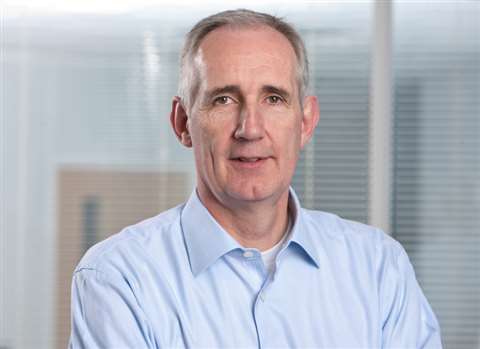
CEO Leo Quinn said, “The actions that we have taken during the first two years of Build to Last have been necessary to lay a solid foundation for long-term profitable growth. Our people have responded to this challenge with passion and commitment.
“I am confident that the next 24 months of Build to Last will see the group achieving industry-standard margins.”