Case launches new crawler excavator range

18 March 2022
Case Construction Equipment has announced the launch of its new E-Series crawler excavator range - with seven new models from 13 to 30 tonnes.
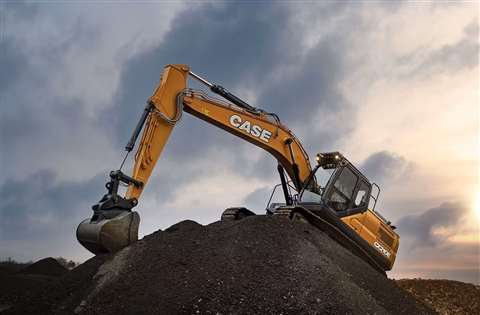 Case SiteConnect enhances telemetry data used by Case’s uptime centre team to provide dealers with alerts based on machine performance (Photo: Case Construction Equipment)
The new excavators will feature an enhanced cab design and operator experience in addition to improved hydraulics’ controls and settings, Case said at the virtual launch event.
The E-Series will incorporate Stage V engines in all seven models.
Egidio Galano, director and construction equipment product management Europe at CNH Industrial, highlighted the FPT engines’ extensive new features, saying, “Case has introduced a solution free from exhaust gas recirculation (EGR), ensuring greater efficiency during the fuel combustion. When coupled with selective catalytic reduction (SCR) on the filter, the E-Series delivers unprecedented total cost of ownership (TCO) improvements.”
The new FPT Stage V engines are designed to offer flexible fuelling solutions, and all E-Series models can be run on regular or alternative fuels, including hydrogenated vegetable oils.
The new machines will include a complete fleet management tool with the bidirectional modem enabling the use of Case SiteConnect and Case SiteWatchTM – both tools will come as standard with the range.
The solution will also feature geolocation, fleet security using geo-fences, and unauthorised use alerts with flexible reporting.