Cemco’s zero-waste industrial recycling option
31 March 2017

US-based company Cemco has introduced a portable industrial tile recycling plant as a zero-waste solution for crushing stockpiles of unused tile into a fine product suitable for use as a raw material.
The company says the entire system, which is mounted on a custom trailer for convenient hauling, can be fully operational within an hour of arriving at a job site.
Cemco works closely with companies to customise plant designs to suit a variety of material recycling applications. The plant was designed around Cemco’s Turbo 54 VSI Crusher, a vertical shaft impact crusher capable of processing a variety of aggregates and industrial minerals.
This handles material as large as 50 mm (2 in) and uses centrifugal force with stationary anvils to crush it along natural stress lines into a uniform, cubical, high-quality product. The crusher features a single-drive motor with input horse power capabilities up to 250.
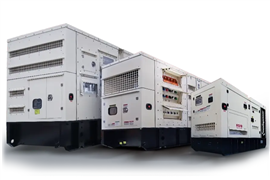
The closed circuit plant also includes a primary crusher, dust collection system, triple-deck incline vibratory screen and vibratory feeder. A 500 kW generator powers the equipment for ultimate location flexibility.
“This plant is absolutely one-of-a-kind,” said Jennifer Hise, Cemco vice president.
“A customer approached us looking for a portable option for tile recycling. By adapting the plant’s components to fit on the relatively compact surface of a single trailer, we eliminated the need to transport the equipment separately and reconfigure the plant at each site,” she added.