Culture, clarity and crews: Important workforce considerations

28 January 2026
Today’s workforce evaluates employers differently. They want to see the values reflected in daily culture. Joel Dandrea discusses the labor shortage in the January issue of American Cranes & Transport.
Across construction and specialized transport, the labor shortage is no longer a temporary disruption. And the reality, while uncomfortable, is straightforward: today’s workforce evaluates employers differently than it did even five years ago. People want to know what a company stands for before they consider joining it, and they want to see those values reflected in day-to-day culture.
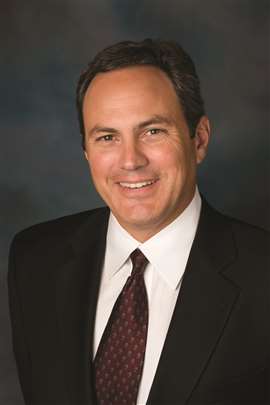 "A strong employer identity has moved from a “nice to have” to a competitive necessity. It’s what employees say when no one is listening and how consistently leaders follow through on the commitments they make." - Joel Dandrea, CEO, SC&RA
This shift matters for a sector built on trust and execution. When companies cannot staff projects, deadlines slip and relationships suffer. When new hires arrive without the skills needed for complex work, crews lose time to retraining, rework and onboarding cycles that never quite stabilize. The result is not just operational strain but reputational drag at a moment when the industry can least afford it. Which is why the way companies communicate who they are – and how they support the people who represent them – has become as important as their technical capabilities.
Competitive necessity
A strong employer identity has moved from a “nice to have” to a competitive necessity. It’s what employees say when no one is listening and how consistently leaders follow through on the commitments they make. In construction and transport, where workforces are dispersed across jobsites, depots and dispatch yards, this identity travels fast. People talk. They compare companies. They notice which employers invest in development, provide modern tools, treat crews with respect and create pathways to advance. They also notice when firms overpromise and underdeliver.
For SC&RA members, the path forward begins with clarity. Companies need a simple, honest expression of what they offer their people – whether that’s steady work, technical training, exposure to complex projects or the chance to grow into leadership. When that message aligns with the actual work environment, retention improves. When it doesn’t, turnover accelerates and recruiting costs follow.
Consistency is next. Culture is not a slogan on a hiring page. It’s reinforced one conversation at a time – in how foremen lead crews, how dispatchers communicate with drivers and how managers respond when someone flags a concern. Employees become the most credible ambassadors a company has, but only when their experience matches the story that leadership tells.
The path forward
The other piece to this ongoing puzzle involves landing high-quality employees in the first place. That said, registered apprenticeships continue to stand out as one of the most reliable ways for companies to build and retain a skilled workforce. In a sector where experience matters and training gaps can slow an entire project, the structure these programs provide has become a real advantage. They offer a clear path into the industry for new talent and give employers a way to develop people with consistency.
Statistically, most apprentices stay with their employers long after the program ends, and that stability pays off in productivity, safety and team cohesion.
These programs also help companies modernize their training as new technologies enter the field. With automation, digital tools and advanced equipment becoming more common on jobsites, workers need ways to build new competencies without stepping away from their roles. A registered program allows employers to credit the experience people already have and focus training where it’s needed most. That approach respects both the time and the expertise of existing employees while preparing them for the next phase of the industry.
Building credibility
At the end of the day, the workforce challenge is not simply a hiring problem, it’s a credibility problem. Companies that match their message with their actions – and pair clear culture with structured development – will weather the shortage with stronger teams and steadier output.
For an industry defined by precision and trust, the path forward is clear. Invest in people, communicate honestly and build an environment where skilled workers want to stay.