

Dubai reveals plans to build eco-friendly real estate
Premium Content
23 April 2008
Dubai has unveiled an AED 200 billion (US$ 54.4 billion) environmentally friendly real estate project stretching over 82 km2, according to local news agency Wam.
The project, called Mohammed bin Rashid Gardens, will be made up of four main clusters themed around wisdom, humanity, nature and commerce, with 73% of the total area – about 60 km2 - to be covered in greenery, the news report said.
It added the biggest area will be the House of Nature, which will include parks, flower gardens, recreational clubs, a zoo, hotels, environmental labs and alternative medicine and herbal healing clinics.
The House of Wisdom will include a library, international universities, history and science colleges and the Sheikh Mohammed Mosque.
The House of Humanity will include the Mohammed bin Rashid Al Maktoum Humanitarian and Charity Establishment, the Museum of Light, the Human Civilisation Museum and other charities such as Unicef.
Meanwhile, The House of Commerce will include banks, financial services firms and insurance companies, as well as higher educational institutions that specialise in banking and finance.
Dubai Properties, part of state-owned conglomerate Dubai Holding, will oversee the project, which will be carried out in six stages, news agency Wam said.
It added Dubai Holding CEO Mohammed Abdullah Al Gergawi, also UAE minister of cabinet affairs, said the project was aimed at creating a “clean environment free from pollution to safeguard health of coming generations.”
Details of where the project will be located or when construction will begin were not available at the time of going to press.
The project, called Mohammed bin Rashid Gardens, will be made up of four main clusters themed around wisdom, humanity, nature and commerce, with 73% of the total area – about 60 km2 - to be covered in greenery, the news report said.
It added the biggest area will be the House of Nature, which will include parks, flower gardens, recreational clubs, a zoo, hotels, environmental labs and alternative medicine and herbal healing clinics.
The House of Wisdom will include a library, international universities, history and science colleges and the Sheikh Mohammed Mosque.
The House of Humanity will include the Mohammed bin Rashid Al Maktoum Humanitarian and Charity Establishment, the Museum of Light, the Human Civilisation Museum and other charities such as Unicef.
Meanwhile, The House of Commerce will include banks, financial services firms and insurance companies, as well as higher educational institutions that specialise in banking and finance.
Dubai Properties, part of state-owned conglomerate Dubai Holding, will oversee the project, which will be carried out in six stages, news agency Wam said.
It added Dubai Holding CEO Mohammed Abdullah Al Gergawi, also UAE minister of cabinet affairs, said the project was aimed at creating a “clean environment free from pollution to safeguard health of coming generations.”
Details of where the project will be located or when construction will begin were not available at the time of going to press.

When the demands of a jobsite dictate tire selection, field knowledge and data are key to optimising fleet performance
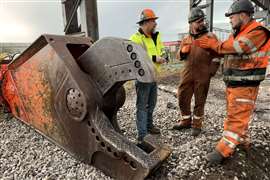
A lower-cost shear can be tempting, but what might contractors discover when they do their due diligence?

The buyer journey is now more complicated than ever before, thanks to the AI world. What should construction marketers do to reach their buyers?