ERA Technical Committee met on 25 November in Crailsheim, Germany
08 December 2021
The Technical Committee of the European Rental Association, ERA, was hosted by Yanmar in Crailsheim, Germany, on 25 November.
This meeting of the full Technical Committee – rental companies, OEMs and other suppliers – was the first time this group of technical experts has gathered since the 2019 meeting hosted by Wacker Neuson.
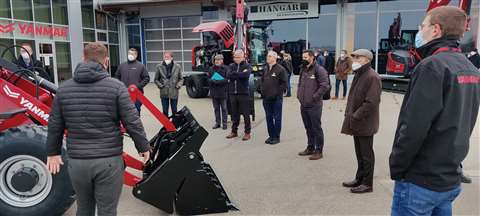
Among the different topics, and after a report on the ERA activities, the Committee reviewed the status of their works related to trainings and telematics. Michael Kreutle and Matthias Mueller, from the company SafetyGO, explained how to create safety, revenue and service by connecting the rental companies’ telematics with SafetyGO. Brian Parker, from IPAF, presented the IPAF accident reporting and statistics and introduced the IPAF ePAL app.
The Committee also reviewed the outcomes of the Technical Workshop at the 2021 ERA Convention. The questions asked to the groups during the workshop dealt with the impact of COVID-19 on the digitalisation of trainings and with the data needed from the OEMs to expand to predictive maintenance.
The Committee also reviewed the introduction of topics that could be of interest for the members of this working group in the future.
For more information on the Technical Committee, or if you are a rental company member of ERA interested in joining this Committee, please do not hesitate to contact the ERA Secretariat, at era@erarental.org.