Heidelberg expands in Africa
15 September 2010
Heidelberg Cement has signed an agreement with Belgian-born businessman George Forrest to take a majority stake in the Forrest Group's cement business in the Democratic Republic of Congo (DRC). Forrest Group is the dominant domestic manufacturer in the DRC's cement industry.
The deal will see Heidelberg take a 55% stake in the Cimenterie de Lukala (CILU) plant near the capital Kinshasa, and a 70% stake in two additional plants in the eastern part of the country. Forrest Group will retain a 30% stake in the plants.
The current combined capacity of all three facilities is 0.5 million tonnes per year, but Heidelberg Cement has announced plans to increase this to 1.4 million tonnes per year.
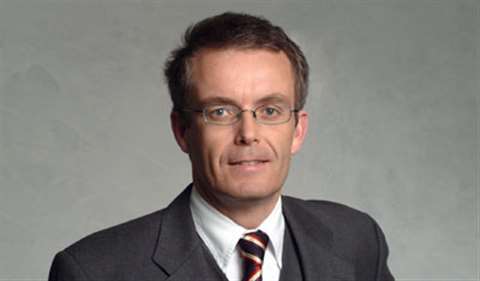
Commenting on the deal, Heidelberg Cement CEO Dr Bernd Scheifele said, "With this partnership we expand out African business and enter the very attractive cement market of the Democratic Republic of Congo with a strong partner on our side. The CILU cement plant has significant limestone reserves and is ideally located to supply the growing cement market of the capital city of Kinshasa. We plan to further increase capacities over the coming years in order to take advantage of the considerably growing local demand for cement."
The terms of the deal were not disclosed.