Historic California rail extension project expected to create 75,000 jobs

05 August 2024
The Santa Clara, California, US, Valley Transportation Authority (VTA) said it received the second-highest federal funding amount in history for a single transportation infrastructure project – the BART (Bay Area Rapid Transit) Silicon Valley Extension Program – which agency officials expect will create 75,000 construction and long-term jobs.
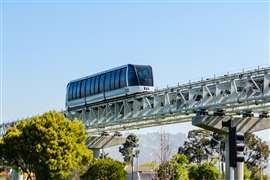 A BART train in Oakland, California, US. (Image: Adobe Stock)
The Santa Clara VTA is a special district entity, or a special-purpose governmental unit, which exists to manage, maintain, plan and improve Santa Clara County, California, transportation infrastructure.
The VTA said it will receive US$5.1 billion from the US Federal Transit Administration, which should help kickstart the second and final phase of the scheme.
Phase two, which is currently in design and engineering, will extend rail service 6 mile (9.6km) from Berryessa Transit Center to stations at 28th Street/Little Portugal, Downtown San José, and Diridon Station with the end of service in Santa Clara. Phase one, which was completed in 2020, added two stops and extended 10 mile (16.1km) of lines between Alameda and Santa Clara counties.
In June, US-based Bechtel announced it was awarded a construction management services contract for phase two. The company also led engineering and construction services for phase one.
The entire BART Silicon Valley Extension is expected to finish in 2037.