EquipmentShare publishes safety guide

01 December 2022
US equipment rental and technology company EquipmentShare has published a best practice guide on safety in equipment yards.
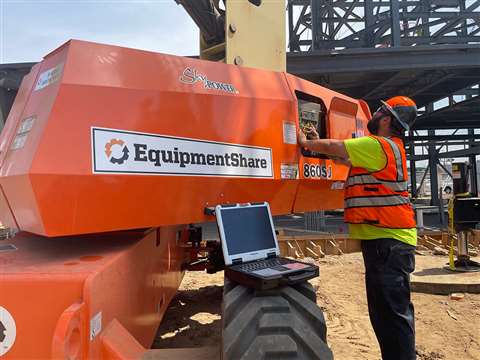 (Photo: EquipmentShare)
The ‘Safety-First Equipment Yard’ white paper is intended for construction equipment professional and outlines industry best practices for the design, organisation and operation of yards and storage facilities.
“Construction industry employees account for 20% of all worker fatalities every year, according to OSHA,” the company said.
“Equipment yards are not immune from the risks associated with the industry, even if they are miles away from the jobsite. EquipmentShare believes that promoting a safety-first culture that begins at the yard may help prevent future accidents.”
Available for free from the company’s website, EquipmentShare’s yard guide provides an overview of the safety measures that should be considered and addressed for both existing equipment yards and new ones.
It covers infrastructure such as wash bays and fuelling stations, buildings and workshops, yard layout and the importance of “a rigorous colour tagging system” for the equipment itself, “to ensure no equipment leaves the yard until it has been cleared to do so”.
“All equipment on the yard falls into one of three categories: 1) Equipment that is cleared and ready to be deployed to a jobsite; 2) Equipment that requires service in order to clear it for use (a “hard down”); 3) Equipment that requires inspection or maintenance before being sorted into one of the other categories. Machines within these three groups must be kept separate at all times,” the company said.
To achieve the industry best practice standards, EquipmentShare said that yard owners and operators needed to invest in “the right resources, comprehensive training programs and regular reviews are essential” to the safe operation of equipment yards.
The online guide can be found here.