WiBotic secures CE Marks for robot wireless charging

08 April 2021
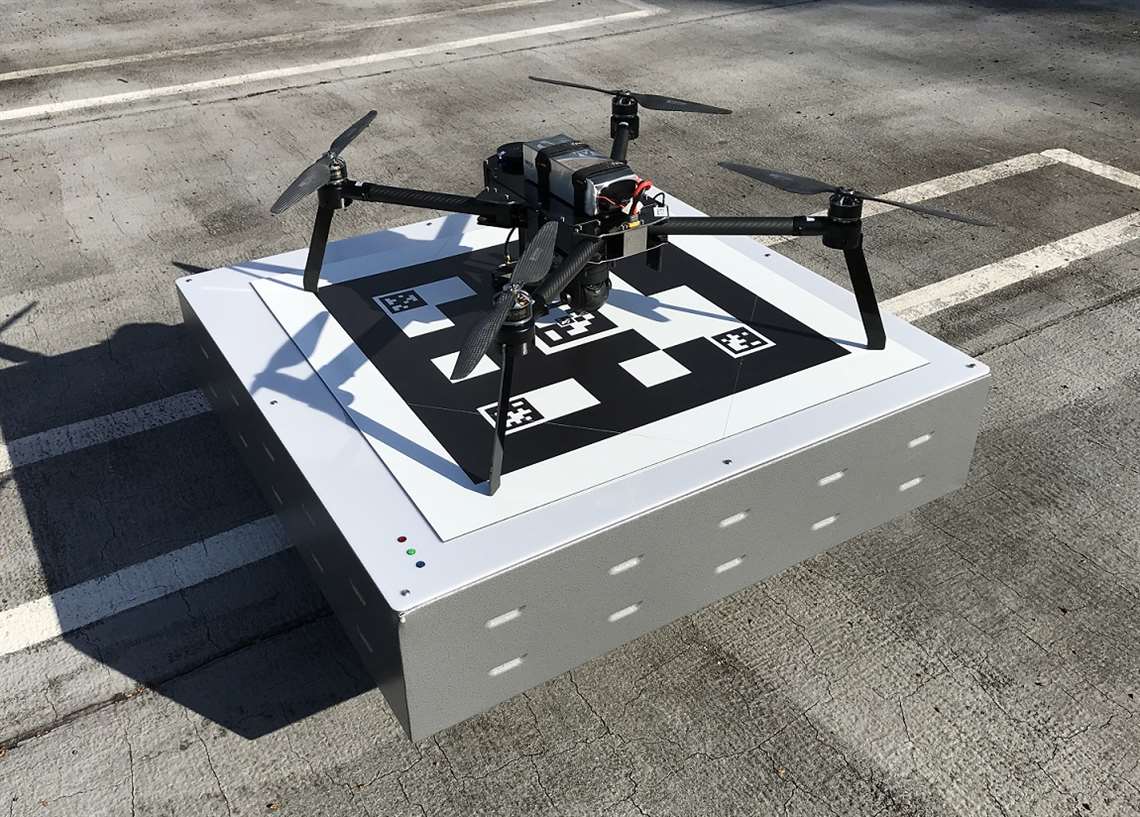 A WiBotic Powerpad being used by a drone
WiBotic, a company that provides wireless charging and fleet energy management solutions for a range of sectors, including construction, has announced that it has completed Europe’s CE Mark certification process for two of its wireless charging systems.
CE Marks demonstrate that products traded in the European Economic Area meet rigid safety, health, and environmental protection requirements, and extend upon WiBotic’s prior approvals under similar US Federal Communications Commission (FCC) regulations.
The company’s products help companies optimise the uptime of robot fleets and are an integral component of fully autonomous robotic operations.
“CE Marks represent a major product milestone for us at WiBotic,” said Ben Waters, CEO. “Completing the rigorous testing requirements takes a great deal of time and effort, yet it’s an incredibly important process, as it further validates that our systems meet the highest possible standards for safety and reliability. We also recently completed FCC approval in the US, so our systems are compliant with reputable regulatory agencies within many countries around the world.
“This, in turn, opens several exciting partnership and deployment opportunities for us across Europe, Canada, and beyond. Requirements for robot safety standards and certifications have also evolved significantly over the past five years. We hope that these certifications help our partners and the entire robotics industry scale up quickly to avoid the complex and costly bottlenecks of pursuing certifications on their own.”
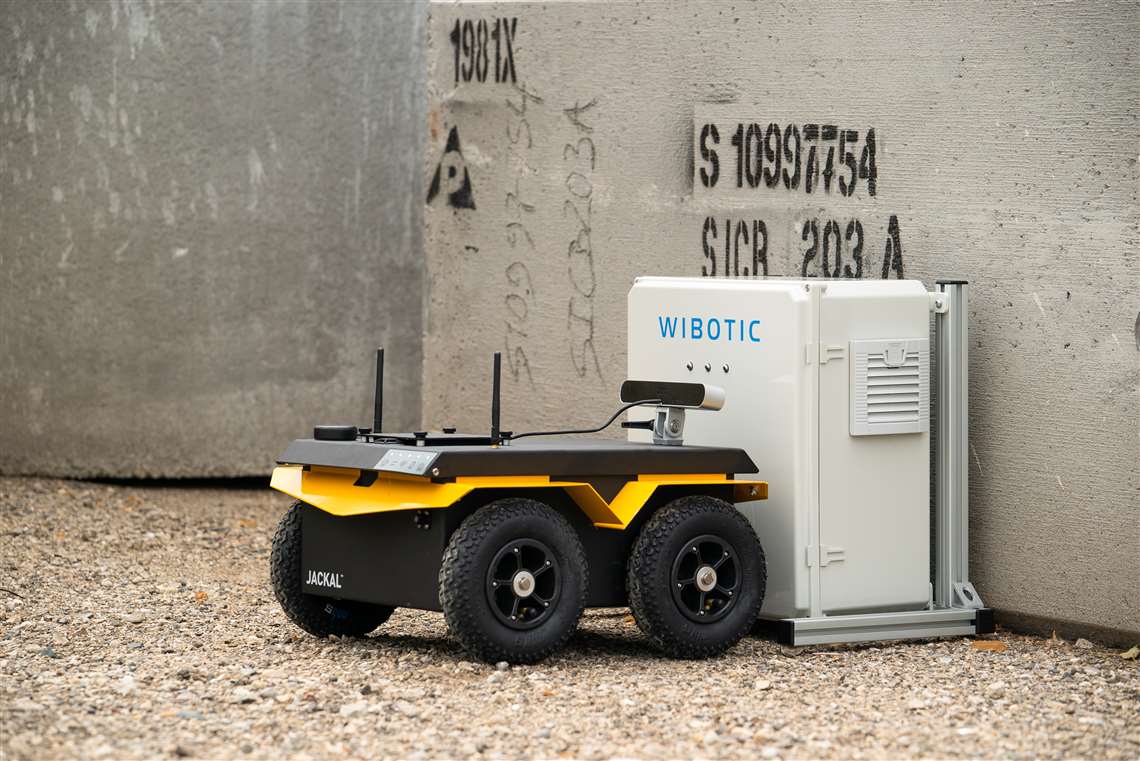 WiBotic provides wireless charging and fleet energy management solutions for a range of sectors, including construction
The TR-301 is WiBotic’s high power transmitter, with the ability to transmit up to 300 Watts into a wide range of applications. Most often used for larger drones, mobile robots and marine vehicles, the TR-301 can be used in the WiBotic PowerPad (or other landing pads), or as a wall station for mobile robot charging.
The products can be retrofitted to existing robots by end users, or built into new models by robot manufacturers.