JCB India cuts 400 jobs
12 June 2020
JCB India has made 400 jobs redundant as sales continue to fall due to the impact of the Covid-19 pandemic.
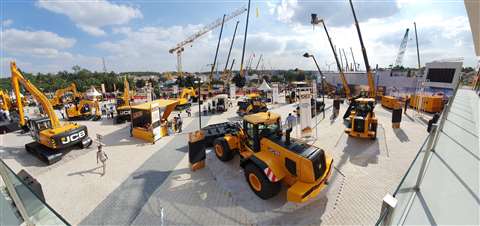
According to reports, JCB India has a total workforce of approximately 8,000 people, which includes 4,000 permanent employees. Both contracted and temporary workers have lost their jobs.
The business has a strong market share in the Indian construction equipment sector, with the leading market share in some segments, such as backhoe loaders and crawler excavators.
India went into ‘lockdown’ on March 24 and has only recently moved to ease some restrictions.
“The construction equipment sector, like many other sectors, has been adversely affected due to Covid-19. As construction activity slowed down, there was almost no demand for construction equipment in the month of April.
“We are seeing an approximately 80% decline in demand for products in May and June as compared to the same period last year. Our business has thus been severely impacted,” said JCB India managing director and chief executive officer Subir Kumar Chowdhury
JCB India has five factories in India and manufactures a wide range of equipment not only for India but also for global markets.
It introduced backhoe loaders in India approximately 40 years ago and has since expanded its product range to over 50 different models in eight product categories.
The major facilities include the Ballabgarh factory near New Delhi making backhoe loaders and which is also the headquarters for JCB India. It also makes skid steer loaders, telehandlers, diesel generators and diesel engines.
There are also facilities in Pune making tracked excavators, wheeled loaders, compaction equipment and fabrications for the group and a design centre.
JCB recently announced that jobs were also at risk in the UK.