US bridge network is ‘outdated’
02 April 2019
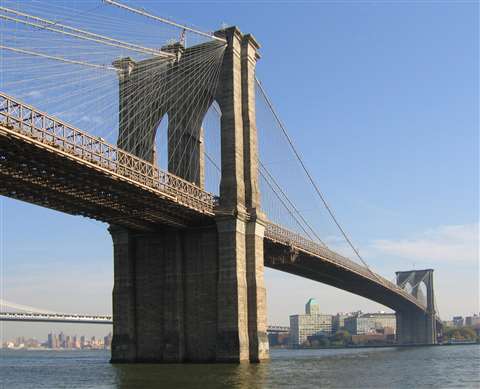
More than 47,000 bridges in the US are structurally deficient, according to a report from the American Road & Transportation Builders Association (ARTBA) which analysed federal data.
The report also showed that, although the number of structurally deficient bridges is down slightly compared to 2017, the pace of improvement has slowed to the lowest point since ARTBA began compiling this report five years ago.
Among the notable bridges on the list are the Brooklyn in New York, Arlington Memorial in Washington, DC, Pensacola in Florida and San Mateo-Hayward in California.
The average age of a structurally deficient bridge is 62 years, compared to 40 years for non-deficient bridges.
Approximately one in three Interstate highway bridges have identifiable repair needs, which equates to over 18,800 bridges.
“At the current pace, it would take more than 80 years to replace or repair the nation’s structurally deficient bridges. That’s longer than the average life expectancy of a person living in the US,” said Dr Alison Premo Black, ARTBA chief economist.
“America’s bridge network is outdated, underfunded and in urgent need of modernisation. State and local government just haven’t been given the necessary resources to get the job done.”
Including structurally deficient bridges, there are nearly 235,000 bridges – around 38% – in need of some sort of structural repair, rehabilitation or replacement, according to ARTBA’s analysis. The association estimates the cost to make the identified repairs is approximately US$171 billion.