Back to the future at Metso as Outotec dropped from company name

04 May 2023
Metso Outotec’s Annual General Meeting (AGM) has approved the board of directors’ proposal to change the company name to Metso Corporation.
Metso merged with Outotec in the summer of 2020 and the combined business has since acquired companies including Tesab and McCloskey International.
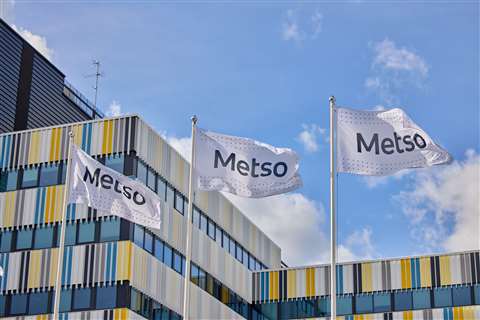 Metso said that while the name change is immediate it will be implemented globally in a phased manner. (Photo: Metso)
Yesterday, the sustainable technology specialist announced operating profits of €197 million (US$217 million) for the first quarter of 2023 after a 22% year-on-year increase in sales revenue.
Metso Outotec’s Executive Team has been renamed as the Metso Leadership Team.
“After the successful integration of Metso and Outotec, we will focus on growing a strong unified Metso company and brand,” said president and CEO of Metso, Pekka Vauramo.
“We have combined two valuable companies into one strong Metso.
“Our focus is clear: we continue enabling sustainable modern life and transforming the industry with a clear strategy and strong culture, supported by a name that is short yet established and well recognised among all our stakeholders.
“Services are an extremely important part of our business, requiring a strong name.”.
The company said that Outotec continues as a product brand and carries significant value as the name of some key technologies and products.
The change of the parent company name to Metso Corporation is effective from today, but globally the change will be implemented in a phased manner.