New CEO for Komatsu Europe
11 May 2016
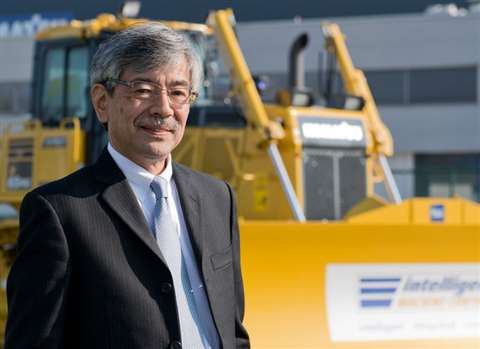
Masatoshi Morishita has been appointed managing director and CEO, and marketing division president, of Komatsu Europe International.
He succeeds Keiko Fujiwara, who is returning to Japan after four years in Europe, to pursue her career at Komatsu’s headquarters. She is taking charge of HR development and training for distributors.
Morishita (55) joined Komatsu in 1984 to work in domestic and international sales and marketing. In 1993, he represented the Dubai liaison office of the international division as general manager. In 1997, he returned to the Japanese domestic sales division to take charge of rental business development.
From 1998 to 2004, Morishita was responsible for various marketing activities at Komatsu Europe International. He then returned to Japan to collaborate with a major account as marketing manager of the mining business department.
In 2006, he transferred to Komatsu Latin America Corp as vice president of corporate planning, and took over as COO of Komatsu Cummins Chile in 2008.
After returning to the construction business planning and controlling department of Komatsu in 2012, Morishita was deputy general manager then general manager in 2013, and vice president of the aftermarket business division in 2015.
Morishita is also on Komatsu Europe’s executive board, with Peter Howe, chairman, and Taiichiro Kitatani, vice chairman.