What is heavy?
01 May 2008
If the definition of rental is something of a grey area, the cut off point for heavy equipment can also appear vague and varied.
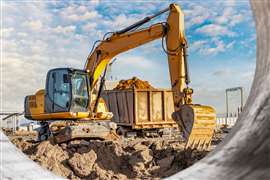
Take excavators: in France Loxam's Bernard Fournier defined heavy excavators as being above 12 tonne; in Portugal the cut off point is 14 tonne; in the UK, the greater acceptance of rental means Neil Dickinson at Finning UK reckoned anything less than 20 tonne shouldn't be considered heavy equipment.
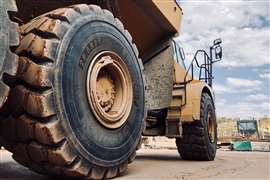
Other machines accepted as fitting in the heavy machine bracket include haulers, both articulated and rigid, wheel loaders, graders, compaction equipment and bulldozers, although their popularity varies.
“The market for dozers is not so big in terms of numbers, but is big in terms of the ratio of units rented to those sold,” said Komatsu's Benoit Fosseprez. “Compactors is an area of particular success for heavy machinery rental in France,”pointed out Mr Fournier: “Not many of these are bought.”
In Portugal, according to Volvo Rents’ Jorge Patricio, ADT's (25 and 30 tonne), excavators (21 to 30 tonne) and graders are the most popular products, while from a European perspective, Liebherr's Hubertus Marx sees an increasing demand for large wheel loaders, crawler excavators from 25 to 40 tonne, as well as for ADT's.