Bids in for major Bulgarian road contract

23 March 2021
Four consortia vie for road and tunnel construction work on Gabrovo bypass
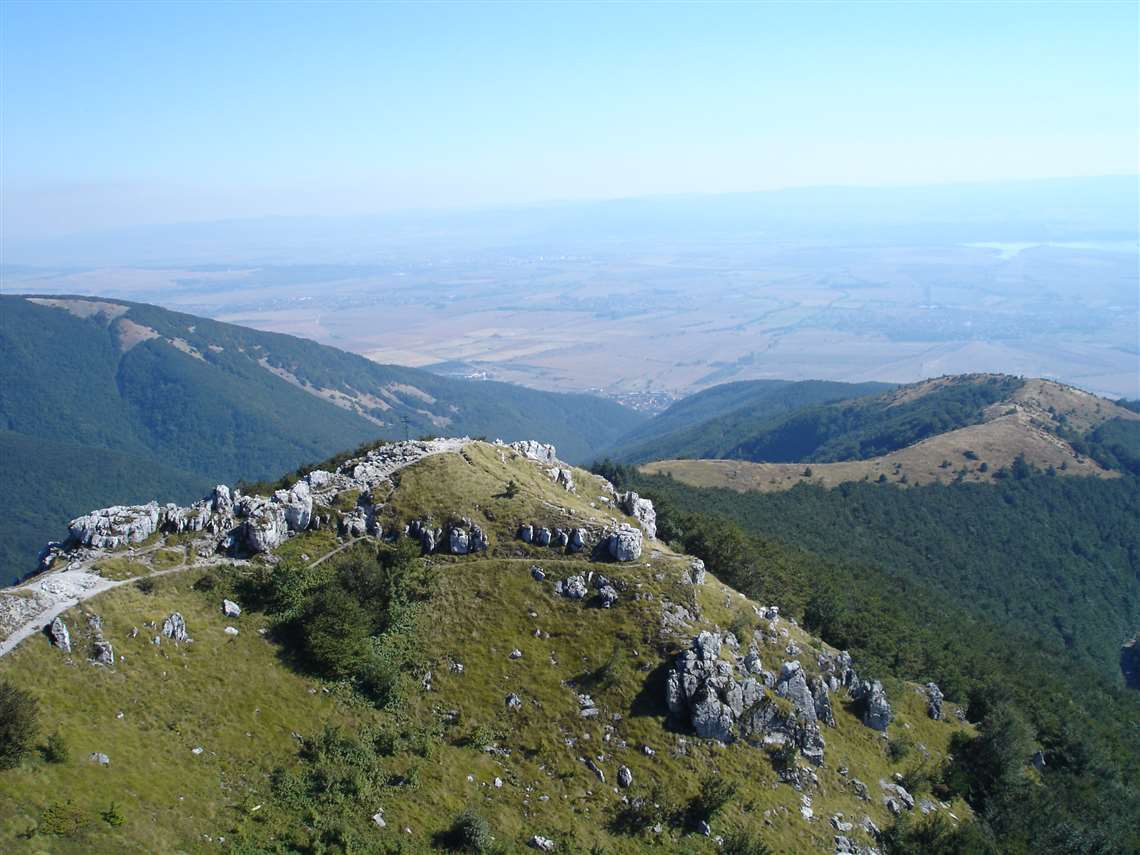 View from Shipka, through which a tunnel will be built as part of the Gabrovo bypass project
Bulgaria has moved a step closer to the construction of an important highway connection between the north and south of the country.
The state-run Road Infrastructure Agency said four bids have been received for the Gabrovo bypass project, with the lowest coming from a consortium led by Patni Stroezhi - Veliko Tarnovo (PSVT).
If its 358 million levs (€183 million) bid is accepted, the Bulgarian road construction specialist would take a 34% interest in the project, with its local consortium partners, Hydrostroy and Patinzheneringstroy-T, each taking 33%.
The scope of work in the project includes the construction of a 10.5km highway, plus five tunnels with a combined length of 4km.
The longest of these tunnels will stretch 3.2km beneath the Shipka peak, which separates northern and southern Bulgaria.
Other consortia bidding for the project are:
- Sofia-based companies Trace Group Hold and Alve Consult – 359.6 million levs (€183.9 million)
- Turkey’s Dogus Insaat Ve Ticarate and Bulgaria’s Via Construct and Via Plan – 376.9 million levs (€188.1 million)
- Bulgarian companies Geostroy and Patstroy-92 – 5 million levs (€213.5 million)
The deadline for completion of the project will be 1,280 days from the signing of the contract.
The Bulgarian government is currently seeking EU funding for the works under the Transport Connectivity 2021-2027 programme.