FIEC warns against reclassification of recycled aggregates

03 July 2024
The European Construction Industry Federation (FIEC) warns against the reclassification of recycled/recovered aggregates from construction and demolition waste under the REACH regulation (Registration, Evaluation, Authorisation and restriction of Chemicals).
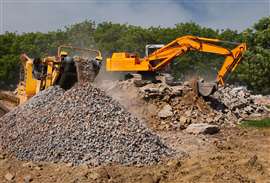 FIEC says that producers and other economic operators in countries where EoW criteria have been introduced would be treated unequally (Photo: AdobeStock)
FIEC is said to have been alerted by some of its members and a consortium of aggregates and waste management associations that recycled aggregates will be considered as “substances” under the REACH chemicals regulation.
The current classification as “article” exempts recycled aggregates from REACH registration. A change of classification to “substance” - as proposed by the European Chemicals Agency (ECHA) and CARACAL - would primarily affect those recycled aggregates for which end-of waste (EoW) criteria have already been established.
EoW criteria play an important role in increasing the acceptance and value of recycled aggregates.
FIEC says that producers and other economic operators in countries where EoW criteria have been introduced would be treated unequally. “A reclassification of recycled aggregates were to require registration under REACH, the associated administrative burden for producers and contractors would be immense.
“Furthermore, ECHA’s decision is highly questionable in terms of its compatibility with the EU’s circular economy and sustainability ambitions (European Green Deal, Circular Economy Action Plan and subsequent new EU legislation to promote circular construction): Recycled aggregates represent the largest volume of recycled materials in Europe. They are used safely and soundly in many construction works, such as road construction, bridge foundations, pavements and bank protection,” adds FIEC.
FIEC highlights that circularity is a priority, which stresses that any regulatory measure that hinders the implementation of the circular economy in the EU should be reconsidered.