Mott MacDonald to advise on major European battery storage project as revenue hits $3 billion

23 April 2024
Engineering consultancy Mott MacDonald is to advise on the construction of one of Europe’s largest battery energy storage projects in the Netherlands.
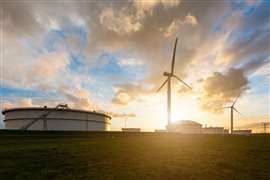 Image courtesy of Mott MacDonald
It will work for Giga Storage on the Leopard Project, which will be located on a former aluminium smelter site in the north of the country. The facility will have a physical capacity of 300MW/12MWh and is set for commissioning at the end of 2026.
Mott MacDonald will review every aspect of the project’s design and confirm documentation is thoroughly vetted and prepared.
The news came as Mott MacDonald announced a gross revenue of £2.37 billion (US$2.9 billion) for the 2022-23 financial year, a 15.8% increase on the year before. It made a pre-tax profit of £112.9 million (US$139.6 million).
The business said growth had been driven by its involvement in major projects in its key global regions, with North America and the UK making a significant contribution to its performance.
It said it had advanced its capabilities in transit and underground infrastructure in North America, including the completion of the Long Island Rail Road’s East Side Access project and the Los Angeles Regional Connector in 2023.
In Asia, it is working on major transport schemes such as Singapore’s Chani Airport Terminal 5 and six new pumped hydropower storage projects in Australia.
Meanwhile, the company is involved in projects across the Middle East and recently opened an office in Riyadh, Saudi Arabia.