Trackunit Apps now available in Japanese

16 December 2021
Telematics specialist Trackunit has launched Japanese language versions of its Trackunit Manager and Trackunit Go applications.
The new versions have been introduced to meet the requirements of Japanese rental companies, fleet owners and construction equipment manufacturers.
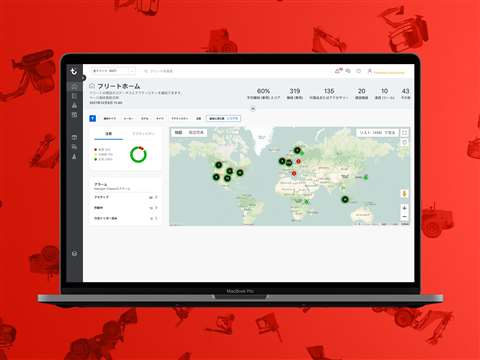 The Japanese version of Trackunit Manager.
Chi Sen Gay, SVP APJ Region, Trackunit, said; “Today’s technology must be intuitive, working without complexity in a way that is instinctive to the local culture.
“The investment in Japanese language versions of Trackunit Manager and Trackunit Go are vital developments both for those equipment companies exporting their technology to Japan, as well as Japan’s world-class construction machine manufacturers as they seek to build-in greater reliability, efficiency and more feature-rich solutions for their global customers.”
 Chi Sen Gay, Senior Vice President APJ, Trackunit.
Trackunit Manager displays all fleet assets on a dynamic map, and features including access control and added layers of safety and security.
The Trackunit Go system is an App for smartphones targeted at mobile fleet managers, for the management of on-site and off-site machines.
Hidekiyo Takehara, Regional Director of Trackunit Japan, said Japan has a heritage in quality engineering and innovation; “Trackunit’s introduction of Japanese language versions of its fast growing Manager and Go applications recognises the importance not only of Japan’s domestic market, but also its global influence on technology trends and adoption.”