World’s 10 most expensive cities to build in

06 July 2022
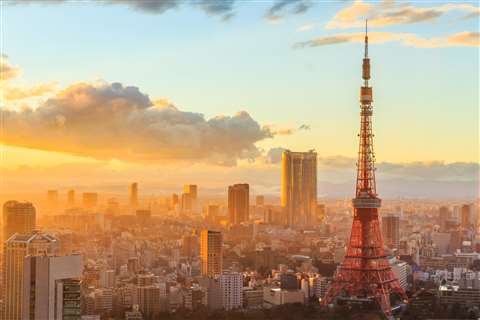 Osaka, Japan, is one of the world’s most expensive cities to build in
The world’s most expensive cities to build in have been revealed in Turner & Townsend’s International Construction Market Survey.
The survey found that the most expensive city in the world to build in was San Francisco in the US, followed by Tokyo and then Osaka in Japan.
The fourth most expensive city in the world to build in was New York in the US with Geneva in Switzerland rounding out the top five.
The report, which gathered data from 88 different locations, stated that market conditions in the construction industry are positive with demand strong and most markets having recovered from the Covid-19 pandemic.
When asked ‘How would you describe current market tendering conditions?’, just 1.1% responded with ‘Cold’, 23.9% said ‘Lukewarm’, 36.4% picked ‘Warm’, 28.4% said ‘Hot’ and 10.2% opted for ‘Overheating’.
However, problems with the skills shortages remain – just under 80% of markets are struggling to deliver labour to meet demand. Inflation is also an increasingly serious problem.
The report says that, “In the 2021 survey, there were 11 markets that were expected to have construction cost inflation of 10% or more in 2021. In our 2022 survey results, there are 38 markets that suggested they experienced inflation of 10% or more. The pace and degree at which costs have risen has been greater than anticipated in last year’s survey.”
World’s 10 most expensive cities to build in, 2022:
1. San Francisco, US
2. Tokyo, Japan
3. Osaka, Japan
4. New York, US
5. Geneva, Switzerland
6. Zurich, Switzerland
7. Hong Kong, China
8. Boston, US
9. Los Angeles, US
10. London, England